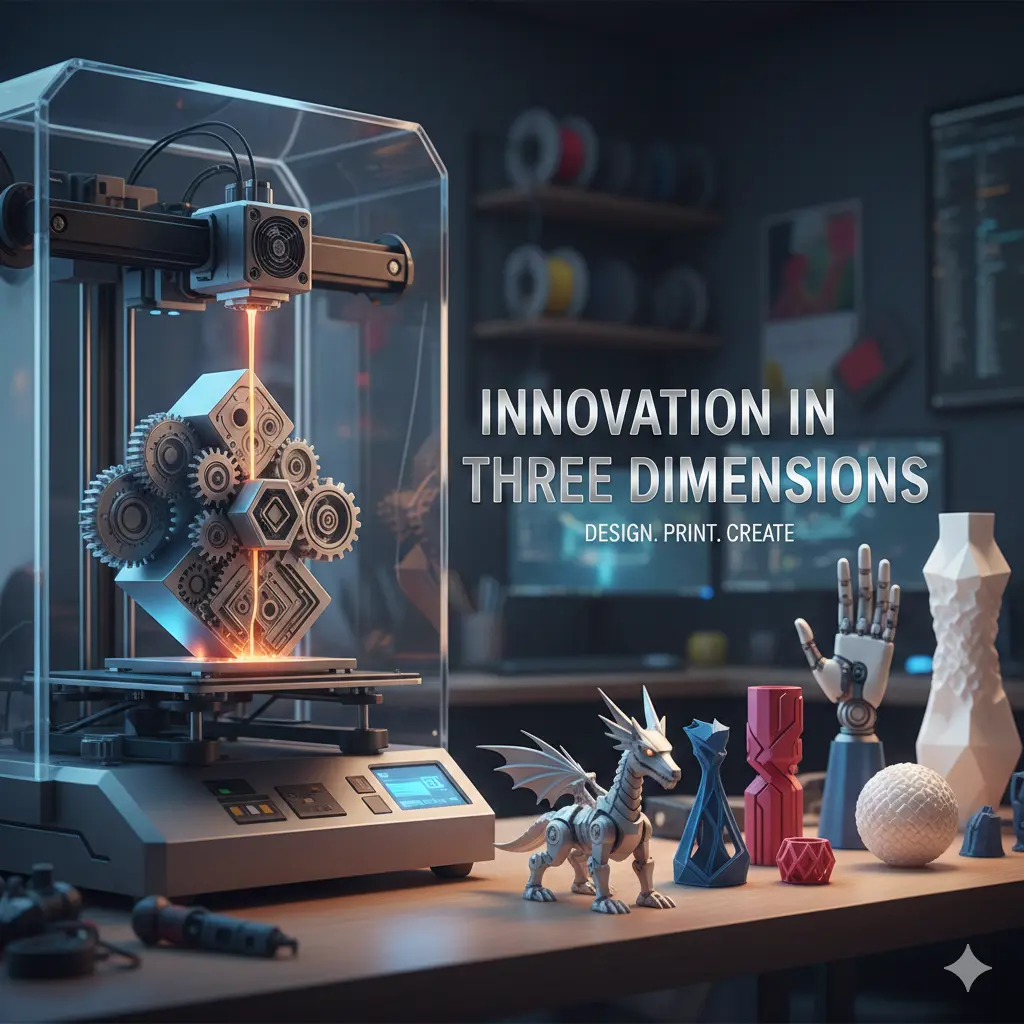

The 3D printing landscape has shifted from a niche hobbyist pursuit to a critical pillar of agile manufacturing. For business leaders and engineers, selecting the right brands of 3D printers is no longer just about hardware specs; it is a strategic decision regarding supply chain resilience and prototyping speed. As industrial-grade features migrate into desktop machines, the gap between “affordable” and “professional” has narrowed, forcing a re-evaluation of which ecosystem offers the best return on investment.

The Shift from Tinkering to Tooling
In the previous decade, 3D printing—technically known as additive manufacturing—was defined by open-source kits that required constant calibration. Today, the market is bifurcated into high-end industrial systems and “prosumer” desktop units. The latter have become so reliable that they are frequently found on factory floors for creating jigs, fixtures, and end-use parts.
The primary technologies dominating this space are Fused Deposition Modeling (FDM), which uses plastic filaments, and Stereolithography (SLA), which uses liquid resins cured by light. Understanding the strengths of the dominant players in these categories is essential for matching a machine to a specific business use case.
Market Leaders and Ecosystem Drivers
Three distinct philosophies currently drive the market for professional-grade desktop 3D printers. Each caters to a different operational priority:
- Bambu Lab: The Disruptor of Speed. This brand has recently forced the entire industry to pivot toward high-speed printing and automation. Their systems prioritize “out-of-the-box” functionality and multi-material capabilities, significantly reducing the labor cost associated with print preparation.
- UltiMaker: The Enterprise Standard. Following the merger of Ultimaker and MakerBot, this brand focuses on the software ecosystem. Their machines are designed for networked environments where security, material compatibility, and remote management are paramount.
- Formlabs: The Precision Specialist. Dominating the SLA market, Formlabs provides the high-fidelity surface finishes required by the dental, jewelry, and medical industries. Their ecosystem is “closed,” meaning they control the resin chemistry to guarantee repeatable results.
Reporting Transparency and Data Sources
Information in this report is derived from:
- Manufacturer Specifications: Product performance data and ecosystem features sourced directly from Bambu Lab, UltiMaker, and Formlabs.
- Industry Standards: Technical benchmarks on material science and additive safety protocols via the ASTM International Additive Manufacturing Center of Excellence.
- Comparative Analysis: Performance testing and hardware reviews provided by independent industry outlets All3DP and Make: Magazine.


