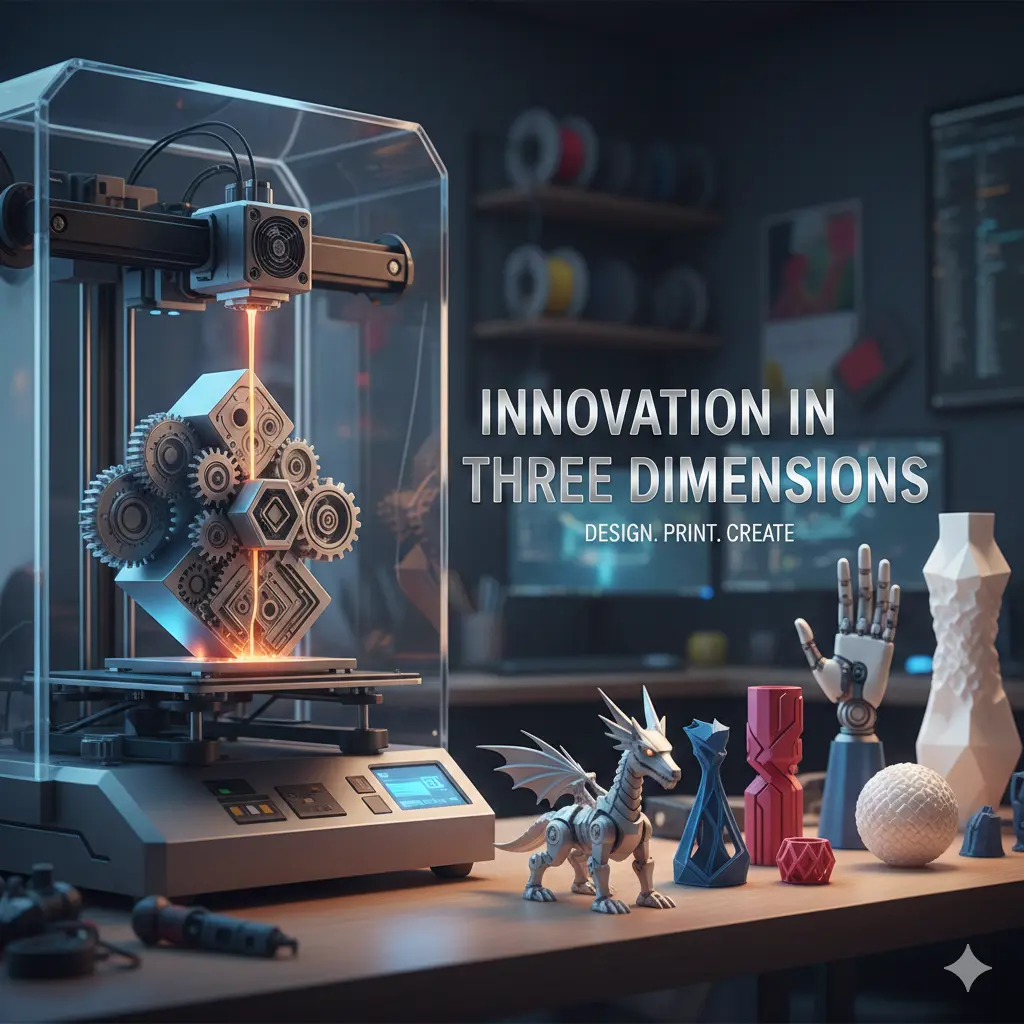

If you’ve spent any time on social media lately, you’ve likely seen hypnotic videos of shimmering, articulated dragons or clicking gears. 3D printed fidgets have evolved far beyond the basic plastic spinners of 2017, becoming a massive trend in the “EDC” (Everyday Carry) and neurodiversity communities.
What makes these tactile toys so special? It’s the perfect intersection of engineering, art, and sensory satisfaction.
1. The Magic of “Print-in-Place” Articulation
The most popular 3D fidgets today are articulated models. These are designed to be printed as a single piece but come off the printer bed with moving joints.
- Articulated Dragons: These are the “king” of 3D fidgets. They move with a fluid, snake-like motion that feels incredibly satisfying in the hand.
- Flexi-Animals: From sharks to axolotls, these toys provide a rhythmic clicking sound and a textured feel that helps many people focus during long meetings or study sessions.
2. Infinite Customization
Unlike mass-produced plastic toys, 3D printed fidgets offer endless variety.
- Materials: Makers use “Silk PLA” to give toys a metallic, high-shine finish or “Dual-Color” filaments that change color depending on the angle you hold them.
- Scalability: Need a tiny fidget for your pocket or a giant one for your desk? With 3D printing, you can scale the design to the exact size you want.
3. Sensory Benefits Beyond the Trend
While they look cool, these tools serve a genuine purpose. For individuals with ADHD, autism, or general anxiety, fidgeting can:
- Help regulate sensory input.
- Improve focus by giving the “background” part of the brain something to do.
- Provide a discreet way to manage stress in high-pressure environments.
Where to Get Them?
If you don’t own a 3D printer, you can find thousands of unique designs on platforms like Etsy or at local craft fairs. If you do have a printer, sites like Printables and Cults3D are goldmines for “Fidget STL” files.
Do you have a favorite fidget style, or are you looking for a specific recommendation based on how you like to “fidget”?


